

Why Ignoring “No” Is a Violation of Boundaries (and Damages Relationships)
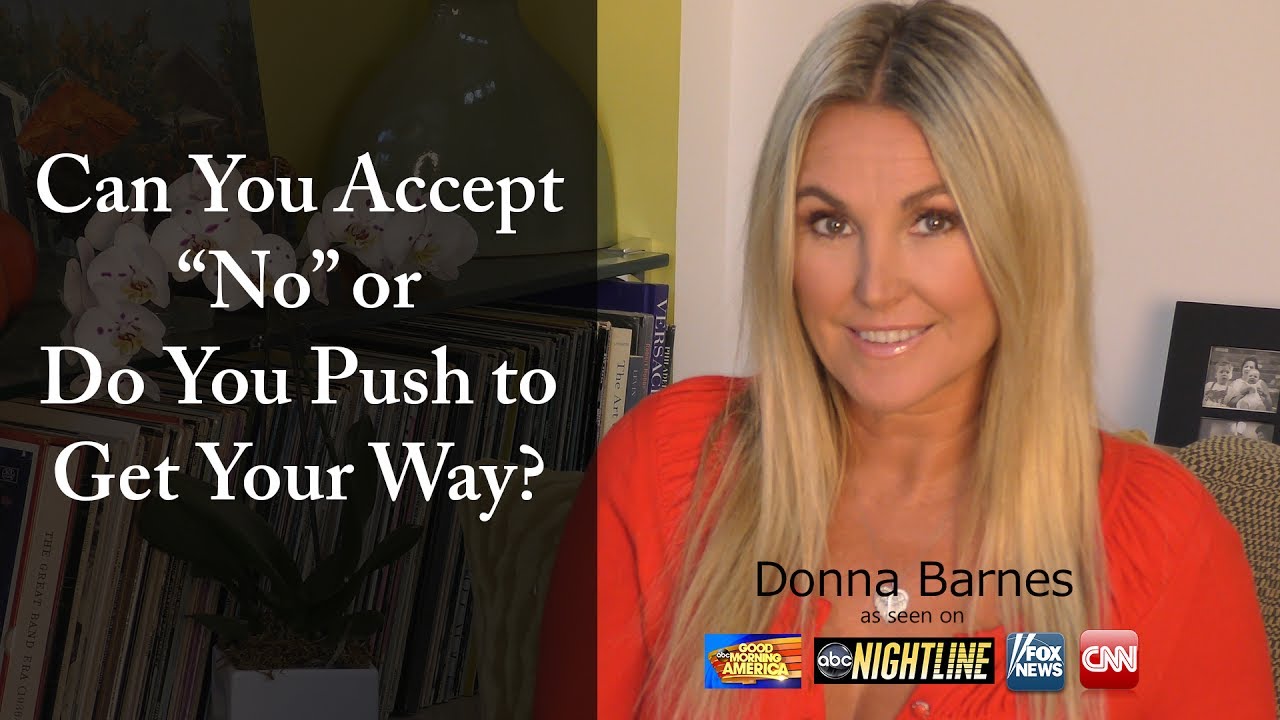
When someone tells you “no,” can you hear it?
Or do you push—trying to change their mind so you can still get what you want?
Many people don’t realize this, but ignoring someone’s “no” is a violation of boundaries. It doesn’t matter how well‑intentioned you believe you are. When you dismiss an answer simply because it isn’t the one you wanted, you cross a line that can seriously damage trust and connection.
What It Really Means to Respect Boundaries
Boundaries are not about control. They are about personal autonomy and emotional safety.
When someone says no, they are clearly communicating a limit. Respecting that limit means:
- Accepting their answer without arguing
- Not pushing for exceptions
- Not trying to convince them they’re wrong
- Not continuing the conversation in hopes they’ll give in
You don’t have to agree with someone’s decision—but you do have to respect it.
Why Pushing After “No” Feels So Harmful
When a person says no and the response is pressure, justification, or persuasion, it sends a powerful message:
“Your boundaries don’t matter if they interfere with what I want.”
This behavior often shows up as:
- Repeated explanations for why you should get your way
- Trying to “help” after being told not to
- Framing pressure as concern, logic, or care
Even when intentions are good, the impact is still harmful. The person on the receiving end often feels disrespected, ignored, or manipulated.
Justification Is Not the Same as Respect
Trying to explain why someone should change their mind is not respectful communication—it’s boundary erosion.
Justification sounds like:
- “I’m only trying to help”
- “You’ll thank me later”
- “You don’t really mean no”
- “You’re overreacting”
These responses don’t create closeness. They create resistance and resentment.
Helping Someone Who Said “No” Is Still a Violation
This part surprises many people.
Even if you genuinely believe your help would benefit someone, offering it after they’ve declined is still a boundary violation. Helping without consent is not kindness—it’s control disguised as care.
In fact, unsolicited help can:
- Undermine trust
- Make the other person feel powerless
- Do more harm than good
Respect means trusting that people know what’s right for themselves—even when you disagree.
How Ignoring Boundaries Sabotages Relationships
Repeatedly pushing past someone’s boundaries may not cause an immediate breakup, but it quietly damages the relationship over time.
It leads to:
- Frustration and emotional withdrawal
- Loss of respect
- Increased conflict
- Avoidance and shutdown
If you are the person doing the pushing, you may feel confused about why the relationship feels strained. But from the other side, the message is clear: my voice doesn’t matter.
Respecting “No” Improves Every Relationship
People feel safer, calmer, and more connected when their boundaries are honored. When you accept a no without argument, something powerful happens:
- Trust increases
- Communication improves
- Tension drops
- Mutual respect grows
Ironically, people like you more when you stop pushing your will on them.
You Don’t Have to Agree—You Just Have to Respect
Respecting boundaries does not mean suppressing your feelings or pretending you’re okay with every decision. It simply means recognizing that other people have the right to choose for themselves.
Healthy relationships are built on:
- Consent
- Mutual respect
- Emotional awareness
- Personal responsibility
Final Thoughts: “No” Is a Complete Sentence
When someone says no, listen.
Don’t push.
Don’t justify.
Don’t manipulate.
Respecting boundaries isn’t just good manners—it’s essential for strong, healthy relationships.
If you want better connection, better communication, and better relationships, start here:
Hear the no. Respect the no. Move on.